
Resilience through momentum is rarely about dramatic breakthroughs; it is built in the quiet moments when you choose to keep moving, even as everything slows down.
We all have a summit to reach.
For some, it looks like a mountain.
For others, it looks like getting out of bed.
For many, it is simply staying in the game when life has stripped everything back.
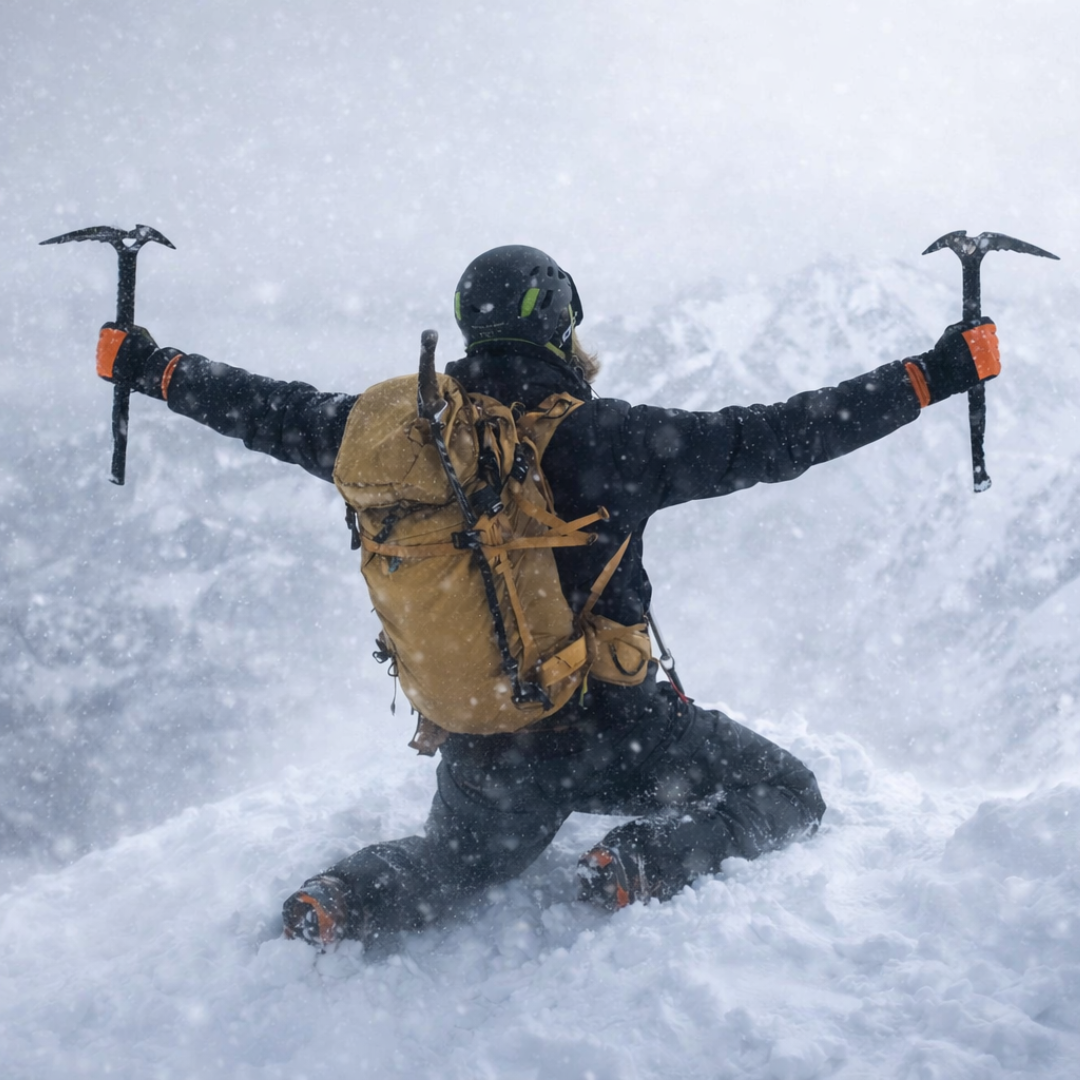
That is why this image of me in Scotland really stands out to me.
This is not a moment of celebration.
It is not the summit.
It is a pause in the storm where effort still outweighs certainty.
Paralysis taught me that summits are personal.
When I woke up paralysed, my summit was no longer about achievement. It was about movement. About connection. About momentum in a body and a life that had suddenly stopped responding in familiar ways.
Momentum disappeared overnight.
Not just physically.
Mentally. Emotionally. Socially.
One day I was moving forward.
The next, everything stalled.
No plan.
No warning.
No sense of when, or if, progress would return.
That is where this lesson truly began.
When Progress Is Taken Away
When paralysis enters your life, momentum becomes something you have to rebuild from the ground up.
Not through big wins.
Not through motivational slogans.
But through small, deliberate decisions to stay engaged with the world.
Motivation needs belief.
Belief needs evidence.
And paralysis removes both.
You cannot motivate yourself out of a place where trust in your own body or future has been broken.
So momentum had to come first.
Momentum Starts Smaller Than You Think
Real momentum is not about doing more.
It is about doing something.
In the early days, momentum looked like sitting up for a few seconds longer.
It looked like responding to a message when isolation felt easier.
It looked like choosing connection when withdrawal felt safer.
None of it was inspiring.
None of it felt impressive.
All of it mattered.
Momentum builds quietly.
One action creates permission for the next.
One decision creates evidence that movement is still possible.
One small step shifts the direction, even if the destination remains unclear.
This image captures that moment perfectly.
Kneeling. Grounded. Still in the storm.
Not finished. Not defeated. Still moving.
Human Connection Is a Force Multiplier
Here is what paralysis made painfully clear.
Momentum rarely starts alone.
When everything in your world slows down, other people become the engine.
A conversation that reminds you that you still matter.
A shared moment that cuts through survival mode.
Someone believing in your progress before you can.
Connection does not fix paralysis.
But it prevents you from freezing completely.
And in resilience, freezing is the real danger.
Isolation convinces you that nothing is moving.
Connection proves that life is still in motion, even if you are not ready to sprint.
Resilience Is Not Bouncing Back
I have never liked the phrase “bouncing back”.
It suggests returning to something familiar.
Paralysis does not work like that.
Resilience is not about returning to who you were.
It is about learning how to move forward without certainty, with limited energy, and with a different set of rules.
Sometimes resilience looks like ambition.
Sometimes it looks like rest.
Sometimes it looks like asking for help and refusing to feel weak for needing it.
Momentum adapts. It does not disappear.
The Lesson That Stuck
Momentum is not speed.
It is direction.
Paralysis taught me that even when life forces you to slow down, you are not finished. You are recalibrating.
Progress still exists.
Connection still matters.
Movement still counts, even when it is invisible to everyone else.
If you are reading this feeling stuck, overwhelmed, or disconnected, hear this clearly.
You do not need a breakthrough.
You need a next step.
And sometimes, that step is simply staying engaged with the world long enough for momentum to find you again.
Because once it does, everything starts moving.
Have a read of this blog
I want to share another blog I wrote. How a Disability Helped Me Do What Most People Won’t Try.
CRPS (Complex Regional Pain Syndrome) is one of the most painful conditions known to medicine. It limited me physically, but it also redefined what I believed was possible.
Instead of running from limits, I started testing them.
- I handcycled 100 miles across South Wales.
- I climbed Pen y Fan in a wheelchair.
- I represented Wales in wheelchair rugby.
- I summited Mount Kilimanjaro in leg braces and Mount Everest Base Camp on crutches.
- I played squash in the Masters category.
Not despite my disability, but because of it. Because it forced me to live differently, think differently, and dream bigger.
You got this!