

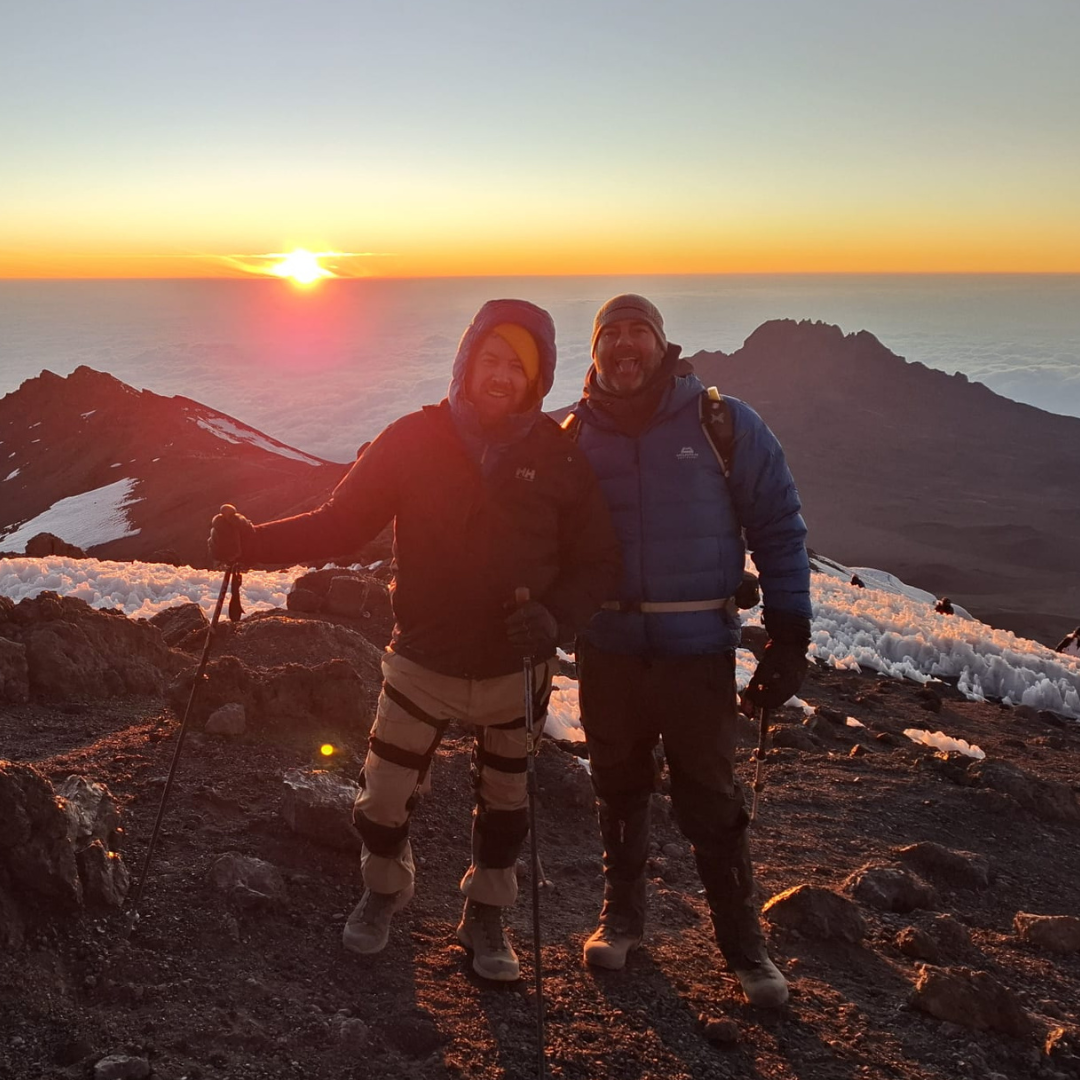
I genuinely believe Resilience is a skill. When people hear my story – waking up paralysed overnight, learning to walk again with leg braces, surviving a suicide attempt, climbing mountains, representing Wales in sport – they often say, “You must be so strong,” or “I could never go through that.”
Here’s the truth:
I didn’t have a hidden superpower. I had no choice.
Resilience isn’t something you’re born with. It’s not reserved for the elite or the brave. It’s a skill. And just like any skill, it can be learned, practised, and strengthened – even in the darkest of times.

The Myth of “Extraordinary Resilience”
We often look at others who’ve overcome huge challenges and assume they have something we don’t. That belief creates distance – it makes resilience feel unreachable. But that’s the myth.
In reality, resilience is made up of small, repeated actions:
- Getting back up (even when you’re exhausted)
- Asking for help
- Choosing to show up again tomorrow
None of those things require perfection – just a commitment to keep going.

My Rock Bottom – And the One Question That Changed Everything
After my suicide attempt, I woke up in a hospital, emotionally broken and ashamed. I couldn’t see a way forward.
But a friend visited. He didn’t try to fix me. He didn’t lecture.
He simply asked:
“What have you been up to?”
It sounds so small, but it created space for me to speak. I let everything out: my fear, anger, guilt, and grief. For two and a half hours, he just listened. No advice. No judgement.
Then, before leaving, he asked:
“Have you ever thought about playing a sport?”
I asked, “What good would that do?”
He smiled: “Nothing. But what have you got to lose?”
That moment planted a seed. That’s where my resilience journey really began – not in triumph, but in conversation.

Building Your Resilience Muscle: 5 Practical Ways
Whether you’re leading a team, navigating a personal storm, or just trying to stay afloat, these are five ways you can build resilience:
1. Anchor to Your ‘Why’
Your reason matters. When things get hard, your purpose is what keeps you moving. For me, it was proving to myself – and others – that life after disability wasn’t over. It was just different.
2. Let Yourself Feel the Low Moments
Resilience isn’t about being “strong” all the time. It’s about allowing space to grieve, feel, and then move forward. You don’t bounce back – you grow through.
3. Surround Yourself with the Right People
Find people who see your potential, not just your pain. That friend who asked one question? He didn’t give me a solution – he gave me space. That’s powerful.
4. Focus on What You Can Do
After paralysis, I could have focused on what I’d lost. Instead, I started looking at what was still available to me – a handbike, a squash racket, a challenge. There’s always something.
5. Practice Small Wins
Climbing Kilimanjaro didn’t start on a mountain. It started with 30 seconds standing in leg braces. Whatever you’re facing, break it down. Celebrate progress.

Resilience at Work – Why HR & Leaders Need This Mindset
In the workplace, resilience isn’t about pushing through burnout. It’s about creating environments where people feel:
- Safe to fail
- Able to recover
- Trusted to try again
If you’re in HR, leadership, or wellbeing roles, resilience training isn’t optional anymore. It’s essential for retention, culture, and performance. Your team doesn’t need superheroes. They need systems and support that help them build their bounce-back muscle.

Final Thoughts
Resilience isn’t flashy. It’s not always Instagrammable. And it definitely doesn’t feel heroic when you’re in it.
But it is within you.
Not because you’ve got a superpower –
but because you’ve got the courage to keep going, one step at a time.
If you’re ready to help your team or organisation build real-world resilience, let’s talk. I’ve been working alongside Champions, Red Umbrella, and Carecoins to offer the support your organisation needs to thrive.